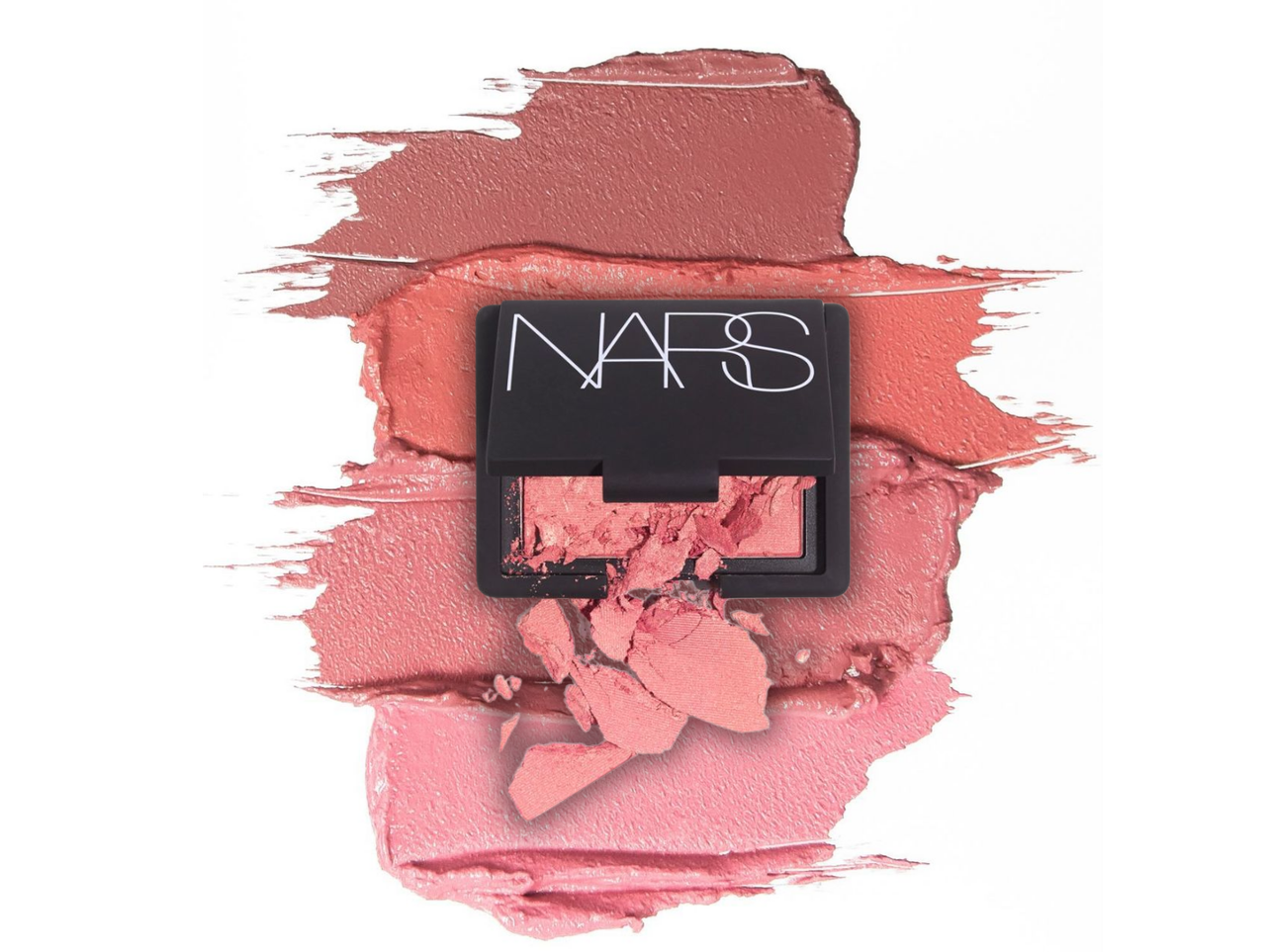
There are thousands of blushes. Pink ones, peach ones, coral ones, berry ones, cream ones, powder ones, liquid ones, matte ones, shimmery ones. Every beauty brand has a bestseller, every influencer has a favourite and every year we are introduced to another “perfect flush” that apparently we absolutely need. And yet, mention NARS Orgasm and most beauty girls immediately know exactly what you're talking about. You might not even have used it. You might not even own it. But you have probably heard of it. A little black compact, a peachy-pink shade with golden shimmer, and a name that is still slightly outrageous after all these years. The original blush launched in 1999, and more than two decades later NARS still describes Orgasm as an iconic, bestselling shade. (NARS Cosmetics) That is a very long life for a beauty product, especially in an industry that survives by convincing us that last season's blush is already old news. So the question isn't really whether Orgasm is a good blush. The more interesting question is: how did one shade become a cultural icon?
Let's start with the colour, because the name is going to get all the attention, but the colour is actually doing an enormous amount of work. Orgasm is a warm peachy-pink with a subtle golden shimmer, designed to imitate that naturally flushed, slightly luminous look that makeup artists have been trying to recreate forever. NARS founder François Nars has said that he wanted the shade to be easy for everyone to wear, and the brand has continued to describe it as a universally flattering peachy-pink. (Allure) And that matters because a beauty product cannot become a cultural phenomenon if nobody actually wants to put it on their face. The shade had to be wearable. If it had been a bizarre neon orange or an aggressively purple pink, the name might have got people talking, but the product probably wouldn't have lasted. Instead, NARS created something that was relatively easy to use while giving the cheeks that very particular “I just naturally look like this” effect. In other words, the product delivered on the fantasy.
But then there was the name. And this is where things become much more interesting. François Nars has explained that he was already naming blushes after sensations and feelings, with names such as Desire and Amour, and that he wanted something provocative and memorable. He has said that he actually came up with the name Orgasm first and then created the shade around it. (Allure) Think about how unusual that was in 1999. Beauty products were still largely being sold through words like Rose, Peach, Pink, Natural, Nude and maybe something slightly adventurous like “Berry.” And then NARS walked into the department store with a blush called Orgasm. It was cheeky. It was slightly inappropriate. It made people laugh. It made people blush. You couldn't really say it without acknowledging the joke. And suddenly the product had something most blushes don't have: a personality.
That is the first lesson in what makes a beauty product memorable. The formula matters, the colour matters and the packaging matters, but a story makes people remember. If I tell you about a peachy-pink blush, you might forget it five minutes later. If I tell you about a peachy-pink blush called Orgasm, you're probably going to remember it. The name created a little moment of friction between the sophistication of luxury beauty and the slightly naughty language of sex. You could walk into a department store and ask for “Orgasm” with a completely straight face. You could tell your friend you were wearing Orgasm. You could give it as a joke. You could see it on a beauty editor's desk and immediately ask what it was. The name turned a cosmetic into a conversation.
And NARS understood something incredibly important about modern branding: if people talk about your product, they are doing your marketing for you. You don't have to explain why the name is memorable. Someone else will do it. One woman tells another, “You have to try NARS Orgasm.” The second woman asks, “The what?” She laughs. Now she remembers it. She sees it in Sephora. She notices it on a beauty editor's Instagram. She hears a celebrity mention it. She becomes curious. The product enters the cultural conversation before she has even bought it. That is an extraordinarily efficient marketing mechanism, and it came from something as simple as a name.
But the name alone could never have carried it for 25 years. The product had to actually work. This is where I think the story becomes more interesting than simply saying “great marketing made it famous.” NARS Orgasm became a cult product because the colour itself had broad appeal. Allure has repeatedly highlighted its peachy-pink tone and subtle gold shimmer, while NARS describes its current formula as buildable and blendable across skin tones. (Allure) In other words, the joke got people to pick up the compact, but the shade gave them a reason to keep using it. That distinction is crucial. A memorable product gets you to try it. A good product gets you to repurchase it.
And then the beauty industry did what it does best: it turned one successful product into an entire universe. The original Orgasm blush eventually expanded into lip products, multipurpose sticks, illuminators, liquid blushes, nail polish and other versions of the shade. (Allure) This is where a product stops being a product and becomes a franchise. You don't just have Orgasm Blush anymore. You have an Orgasm collection. The name can travel from cheeks to lips to eyes to body. The original product becomes the anchor, while every new version reminds you of the original. And suddenly the consumer isn't just buying a blush. She's buying into a recognisable beauty language.
That is also why the shade has been able to survive changes in makeup trends. Think about how dramatically beauty has changed since 1999. We have gone from thin brows to huge brows, from matte foundation to glass skin, from heavy contouring to barely-there makeup, from bronzer obsession to blush obsession and back again. Yet Orgasm has managed to sit comfortably inside all of these eras. It can be worn with a full face or with very little makeup. It can be applied lightly for a subtle flush or built up for more impact. It doesn't require you to subscribe to one particular beauty aesthetic. And that is incredibly important for longevity. A cult product cannot depend entirely on one trend.
There is also something clever about what the shade represents. Blush is fundamentally about making the face look more alive. We are trying to recreate something that happens naturally: warmth, colour, a little bit of flush. Orgasm takes that idea and gives it a name that makes the connection explicit. It is essentially selling you the idea of looking like you've just experienced something exciting. The product isn't promising to transform you into someone else. It is promising to make you look like something happened. And that is a much more emotionally interesting proposition than “this is a pretty pink blush.”
This is one of the reasons beauty products can become so culturally powerful. We rarely buy makeup simply for the pigment. We buy the feeling attached to the result. We want to look rested. Sexy. Fresh. Expensive. Healthy. Effortless. Romantic. Cool. We want to look like the version of ourselves we have in our heads. And the best beauty products give that fantasy a physical form. NARS Orgasm is particularly good at this because even the name tells you what emotional state the product is supposed to recreate.
Then celebrities got involved, and that added another layer. Over the years, Orgasm has been associated with celebrities including Kim Kardashian, Meghan Markle and supermodels, while beauty publications have repeatedly recognised it. Allure's readers have voted it their favourite blush numerous times, and the product has accumulated a remarkable collection of beauty awards over the years. (Allure) This creates a powerful feedback loop. Celebrities wear it, magazines talk about it, consumers recognise it, more consumers buy it, the sales reinforce the idea that it is iconic, and then the next generation encounters it already carrying a reputation.
And reputation is one of the most valuable things a beauty product can have. Imagine launching two blushes today. One is called “Peach Glow.” The other is called “Orgasm.” Even before you see them, you know which one has a story. That is the advantage of cultural memory. NARS doesn't have to start from zero every time it talks about the product. The name has been doing work for more than two decades. A 25-year-old discovering Orgasm today isn't encountering the same product in the same cultural environment as someone who bought it in 1999, but she is inheriting the reputation that those previous consumers created.
That is why I think the word iconic gets thrown around too casually in beauty. Something being popular isn't enough. Something can sell millions of units and disappear five years later. Something can go viral and be forgotten before the next season. Something can be everywhere on TikTok and still have absolutely no cultural significance outside the algorithm. An icon is different. An icon becomes part of the collective vocabulary of its category. You can mention the name and people know what you're talking about. You can see the packaging and recognise the product. You can find an old photograph of it and immediately know what it is. It has survived enough time and cultural change that its identity no longer depends on one marketing campaign.
And this is why NARS Orgasm is such a fascinating JOPI product. It shows us that being iconic isn't necessarily about being revolutionary. The colour itself isn't something nobody had ever seen before. Peachy pink existed. Gold shimmer existed. Blush existed. Even the idea of creating a “natural flush” existed. What was revolutionary was the combination: a wearable shade, a provocative name, distinctive black packaging, a strong founder personality, excellent product performance, celebrity visibility and decades of repetition. None of these things alone would necessarily have created an icon. Together, they created something much bigger than the individual components.
It also teaches us something about the difference between a trend and a signature. A trend depends on novelty. People want it because they haven't seen it before. A signature depends on recognition. People want it because they already know what it means. That is why NARS can keep selling Orgasm decades after its launch without the product feeling embarrassing or outdated. In fact, its age has become part of its value. Saying “this has been around since 1999” doesn't make it sound old. It makes it sound established. It survived.
And perhaps that is the ultimate beauty flex: not being the newest thing, but still being relevant. In an industry where every week brings a new blush, a new finish, a new viral shade and a new “must-have,” Orgasm has managed to become the reference point against which other products are compared. People talk about shades as being “Orgasm-like.” Brands release peachy-pink blushes with golden shimmer and consumers immediately understand the category they're trying to evoke. The original has become the reference.
That is when you know a product has achieved something culturally significant. It doesn't just exist within the category. It helps define the category.
So, how did one blush become iconic?
It wasn't simply because the colour was pretty. It wasn't simply because the name was outrageous. It wasn't simply because celebrities wore it. It wasn't simply because NARS marketed it well. It was because all of those things reinforced one another. The name made you curious. The shade made you like it. The formula made you keep using it. The celebrities made it aspirational. The awards gave it credibility. The packaging made it recognisable. The years gave it heritage. And every woman who bought it, talked about it or recommended it helped turn a product into a piece of beauty culture.
And that brings us to the bigger JOPI question: what actually makes a beauty product memorable?
Maybe it is not perfection.
Maybe it is personality.
The beauty products we remember are often the ones that give us something to talk about. They have a colour we recognise, a story we can repeat, packaging we can spot and a reason to feel something when we use them. They become attached to memories: your first proper makeup purchase, the blush your mother wore, the product you bought before your first date, the one you kept in every handbag through university. Eventually, the product stops being just makeup.
It becomes a cultural object.
And that is why NARS Orgasm is still sitting on beauty counters more than twenty-five years after it first launched. There are newer blushes. There are trendier blushes. There are probably technically better blushes. There will always be another peachy-pink blush promising the perfect flush.
But there is only one Orgasm.
And maybe that's the real secret of an icon: you don't just remember what it looks like. You remember how it made you feel.
But why?